Who are period dramas for, and why should we care?
(Note: Minor spoilers below for Season 6 of Downton Abbey)
LP Hartley famously wrote in his 1953 novel The Go Between: “The past is a foreign country: they do things differently there.” However, I first heard the line uttered in the 2020 Starz show Belgravia, the adaptation of Downton Abbey creator Julian Fellowes’ novel of the same name, which was published in 2017. Despite both of these works being written decades apart, they still hit on the same theme – audiences (and the writers who create media for them) are endlessly fascinated with the past and what went on there. But, why?
Why should modern audiences be concerned with what happened decades ago when we have so many modern-day problems to worry about? Shouldn’t media be created that explores those problems instead of what happened in the past? Why should old morals and ideas be explored, romanticized, and even glorified?
These are questions I often ask myself as someone who is fascinated by period dramas, and writes historical fantasy based on the worlds shown in shows such as Downton Abbey and Belgravia. I wonder sometimes what the point of it is. After all, haven’t there been enough shows and books exploring those worlds and the problems within them – terrible misogyny and sexism, insurmountable gaps between the rich and poor, and a general lack of human and labor rights – these are some of the hallmarks of the Victorian and Edwardian periods.
I find sometimes as a writer of historical fantasy (and consumer of such books and TV shows) that I get a little exhausted experiencing worlds where women had no rights and everyday people had to fight so hard to get by in a society with a rigid societal and class structure. By and large, fantasy is a genre where all things are possible – sexism doesn’t have to exist if the writer doesn’t want it to in their world.
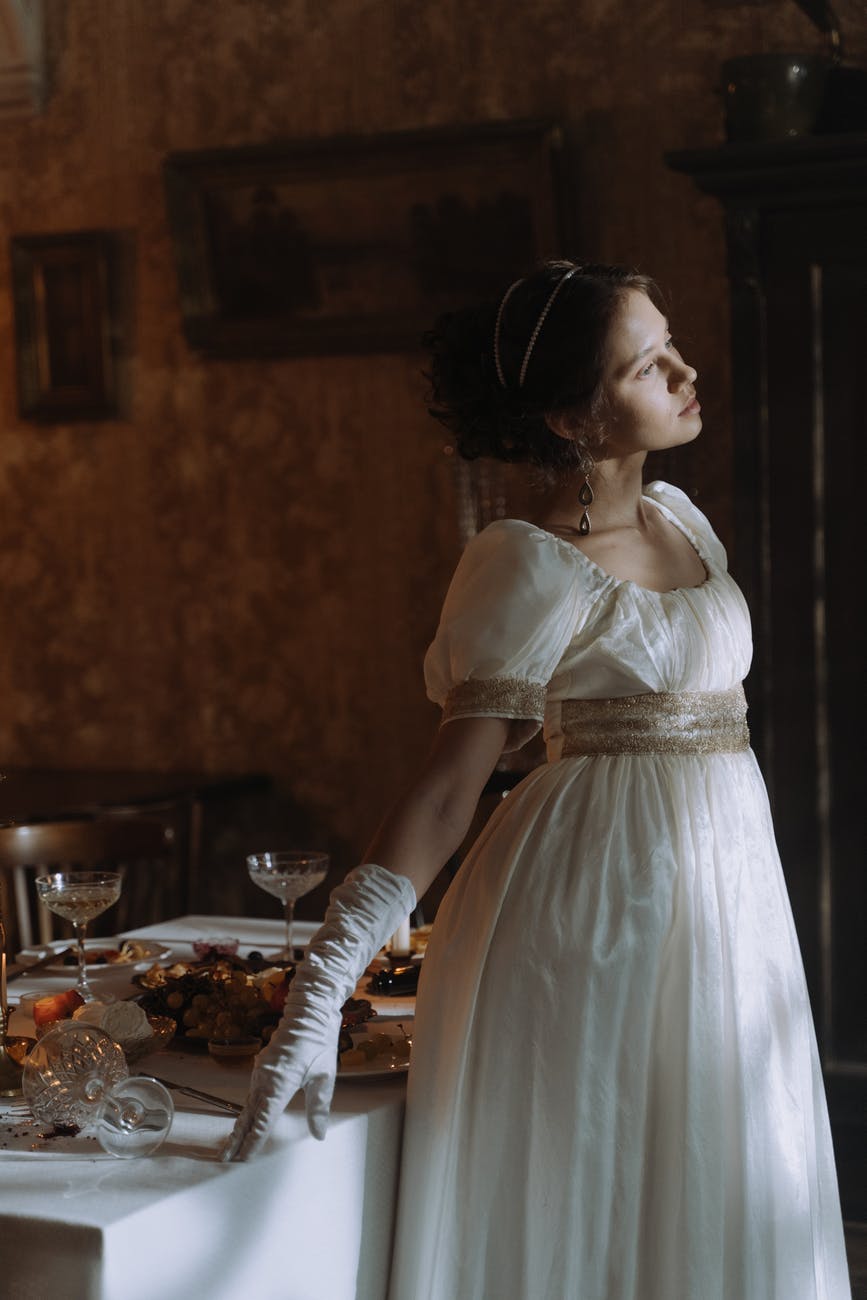
However, fantasy is traditionally a genre that is obsessed with the past and “the way things were.” In true Julian Fellowes and LP Hartley fashion, consumers of period dramas and historical fantasy yearn to travel to that foreign country that is the past to explore its little corners and see exactly how they do things differently there. As someone who is absolutely enamored with Downton Abbey, I think one of the main draws of the show is how different life is for the Crawley family and their servants. Nobody lives that way today – upstairs or down. For me, Downton Abbey is as escapist as Lord of the Rings.
Yet, even though life was very different in the Edwardian era Downton Abbey is set in, I don’t yearn for those days. The show paints a much kinder and more genteel picture of what life was actually like for the lower classes in the early 20th century. However, the truth is that even though period dramas often look at the past with rose-tinted glasses, they can also help their audiences understand how the past affects our lives today, and how some things haven’t changed.
Although many working-class people don’t live in their employers’ attics anymore, the gap between the rich and the poor is greater than it’s ever been. So yes, it’s relatable and poignant when characters in service positions dream of having a job that affords them a better and more comfortable way of life – Many Americans today do too. In Season 6 of Downton Abbey, the housekeeper Mrs. Hughes laments she won’t be able to retire because she’s spent all her disposable income on being a caretaker for a family member, which I imagine sounds pretty familiar to many in the modern day.
As a writer of historical fantasy, the past both fascinates and terrifies me. And, oftentimes I find that the past isn’t as different as we like to think it is – the country we once thought was so foreign may seem closer to home than once thought. In many ways, critiquing the past is the same as critiquing the present, and I would argue that good period dramas do both.
While the characters in Downton Abbey live very 20th-century lives, some characters are less than pleased with the ways things are. For example, Mrs. Hughes in season 6 teams up with the house’s cook Mrs. Patmore to show her new husband that she doesn’t appreciate being expected to do all the cooking for their new household together. Today, most of the burden of housework still falls on women’s shoulders – making this a plot point that still rings true.
Now, I’m not saying period dramas like Downton Abbey are bastions of liberal values because they most often aren’t. However, I think it does try to get the audience to think about liberal values. For instance, Downton’s plot often focuses on the trials and tribulations of being a gay man in Edwardian Britain – even if the portrayal isn’t always 100% accurate, the audience sympathizes with the character’s plight anyway.
Thinking about modern values through the lens of the past is one of the main reasons I find period dramas so compelling, and why I strive to write historical fantasy novels. Stories anchored in the past impact us because they’re both so relatable, and so different. They draw you in with their foreign-ess, and then surprise you with how truly familiar the past can be.

 rachelannmyers.com